
Chandika Sthan, Munger
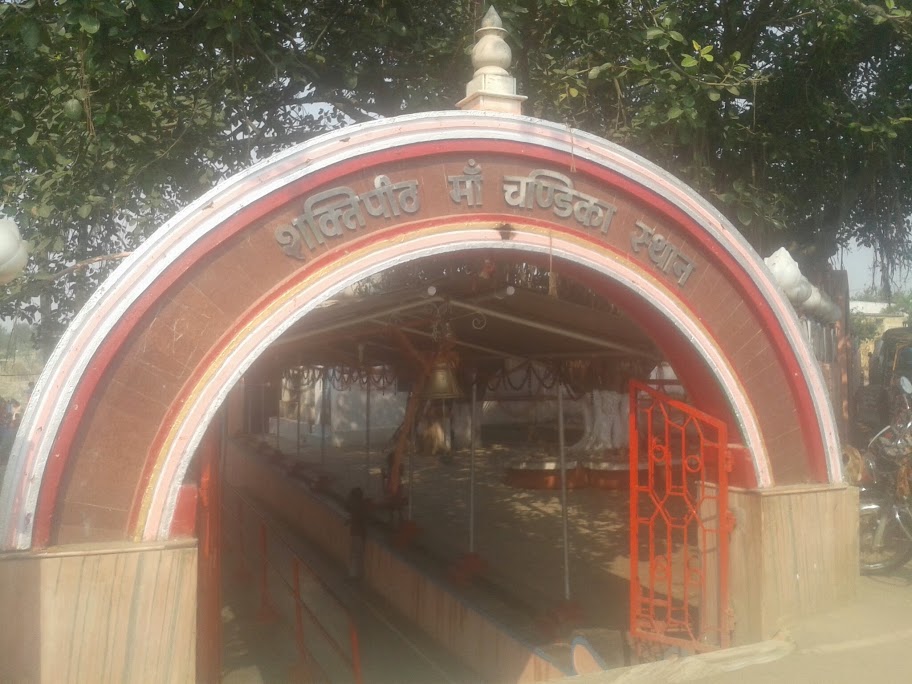
चंडिका स्थान
A Shakti shrine on the Ganga at Munger where the eye of Sati is traditionally venerated.
Latest aarti recording
No temple is live this minute. Latest aarti recordings are below, and the app alerts you the moment one goes live.
Why it is famous
The Chandika Sthan is famous as an ancient site of goddess worship and as one of the Shakti Peethas, where the left eye of Sati is believed to have fallen. The temple is especially known as a place where devotees pray for relief from eye ailments, and many come to apply the kajal (collyrium) from the temple to their eyes, believing it has healing properties. The temple's association with King Karna of Anga and its tantric traditions make it significant. The temple is especially crowded during Navratri and Durga Puja.
History
The Chandika Sthan is a temple located on the banks of the Ganga, about two kilometres from Munger town in Bihar. It is dedicated to the goddess Chandika, a form of Durga, and it is an ancient site of goddess worship. The temple is regarded by many devotees as one of the Shakti Peethas; according to tradition, the left eye of Sati fell here. The temple's origins are traditional and ancient. Munger, known in ancient times as Mudgalpuri, was an important centre in the kingdom of Anga, and the region has a long history. The shrine is linked in legend with King Karna of Anga, the hero of the Mahabharata, who is believed to have worshipped the goddess here. According to local tradition, Karna would offer himself to the goddess every day, and the goddess would restore him to life and grant him gold, which he would distribute to the poor. The temple is a small shrine, built in a cave-like structure, and the goddess is worshipped in the form of an eye-shaped stone, covered with a gold plate. The temple is surrounded by cremation grounds, and it is associated with tantric practices. The temple has been renovated in recent times, and facilities for pilgrims have been developed. The temple is managed by a trust, and it is visited by pilgrims from Bihar and neighbouring states. Munger is also famous for the Bihar School of Yoga, founded by Swami Satyananda Saraswati.
Tradition & Legend
Passed down through devotional tradition, not verified historical record
According to tradition, the left eye of Sati fell at Munger, and the goddess manifested here as Chandika. The shrine is also linked in legend with King Karna of Anga, who is believed to have offered himself to the goddess every day and received gold in return, which he distributed to the poor. Devotees believe that the goddess cures eye ailments, and many apply the kajal from the temple to their eyes. Many believe that the goddess protects them and grants their wishes.
Festivals
Navratri and Durga Puja, in September-October, are the most important festivals at the Chandika Sthan, when devotees come in large numbers and special rituals are performed. Chaitra Navratri is also celebrated. Other festivals include the Kali Puja and the Tuesdays, when devotees visit the temple in larger numbers. The riverbank is lit with lamps during these nights.
Nearby temples
 Ajgaibinath TempleShiva (Ajgaibinath) · Sultanganj, Bihar
 Ashokdham TempleShiva (Indradamneshwar) · Lakhisarai, Bihar
 Ugratara Temple, MahishiUgratara · Mahishi, Bihar
 Singheshwar SthanShiva (Singheshwar) · Singheshwar, Bihar
 Jal Mandir, PawapuriMahavira (Jain) · Pawapuri, Bihar
 LIVEBaidyanath JyotirlingaShiva · Deoghar, Jharkhand
 Naulakha Mandir, DeogharRadha-Krishna · Deoghar, Jharkhand
 Basukinath TempleLord Shiva · Basukinath, Dumka, Jharkhand

